

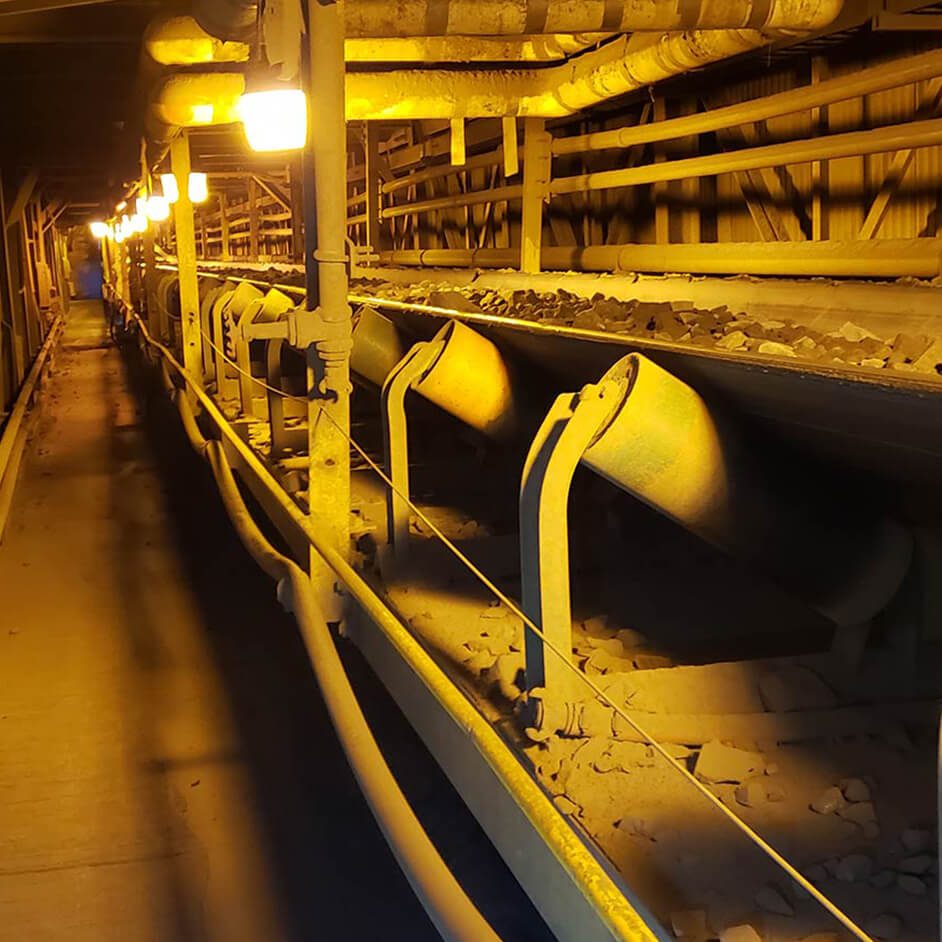

Mining operations run on tight timelines and narrow margins. Minor disruptions can have outsized consequences. For operators, reliability is a daily requirement tied directly to production, safety, and cost.
LHB’s Energy & Industry team works within that reality. Our work focuses on keeping systems operating, identifying risks early, and responding when conditions change.
Preventing shutdowns through proactive inspection
Mining facilities operate under close regulatory oversight, particularly from Mine Safety and Health Administration (MSHA). Inspections are routine, and deficiencies can lead to citations, delays, or shutdowns.
Our team can flag issues before they become findings. We regularly conduct detailed facility inspections that focus on high-risk components—structural steel, material handling systems, access platforms, and aging infrastructure. We not only look for code compliance; we note any conditions that could reasonably trigger concern during an MSHA visit.
For example, items such as steel corrosion, deterioration, deformation, or defective guards/rails may not immediately stop operations, but they can raise flags. Addressing these conditions early reduces the likelihood of citations and allows work to be scheduled on the client’s timeline rather than in response to enforcement.
Responding quickly when conditions change
Even with proactive maintenance, breakdowns occur. When they do, every minute costs money.
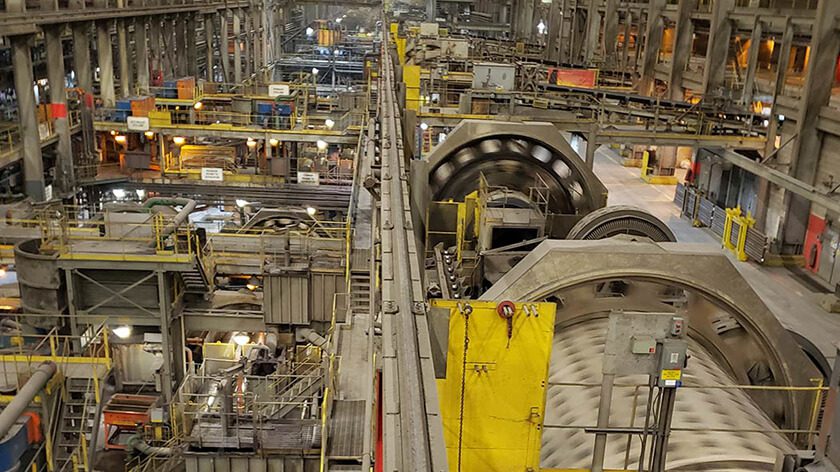
LHB’s Energy & Industry team is structured to respond quickly to urgent issues across northern Minnesota. Proximity matters. Many projects are located in remote areas, where mobilization time can significantly affect downtime.
Our staff are accustomed to working in active industrial environments and can assess conditions on site without delay. This allows for rapid triage: identifying the root cause, determining whether temporary measures are appropriate, and outlining a path to successful repair.
In some cases, the immediate need is stabilization—keeping equipment running safely until a more comprehensive fix can be implemented. In others, the situation requires a more direct intervention. Our team’s familiarity with mining operations allows them to make those distinctions quickly.
Designing solutions that can be built locally
In remote industrial settings, design decisions are shaped by what can be built and sourced locally. Long lead times or specialized components can introduce costly delays.
LHB works closely with local fabricators to develop solutions that can be realized quickly.
This often means simplifying details, selecting materials that are readily available, and designing components that can be fabricated with standard equipment. The solution is aligned with the realities of the supply chain and workforce.
For example, a repair to a support structure may be designed so that it can be fabricated by a nearby shop using common steel sections. This shortens procurement time and keeps the work local in case there are additions or changes required.
LHB also coordinates closely with fabricators during design development to ensure that details are practical to build. That collaboration reduces rework and helps projects move from concept to installation more efficiently.
Using drones to access difficult conditions
Many areas within a mining operation may be difficult or unsafe to access directly. Elevated structures, confined spaces, and active processing areas can limit traditional inspection methods.
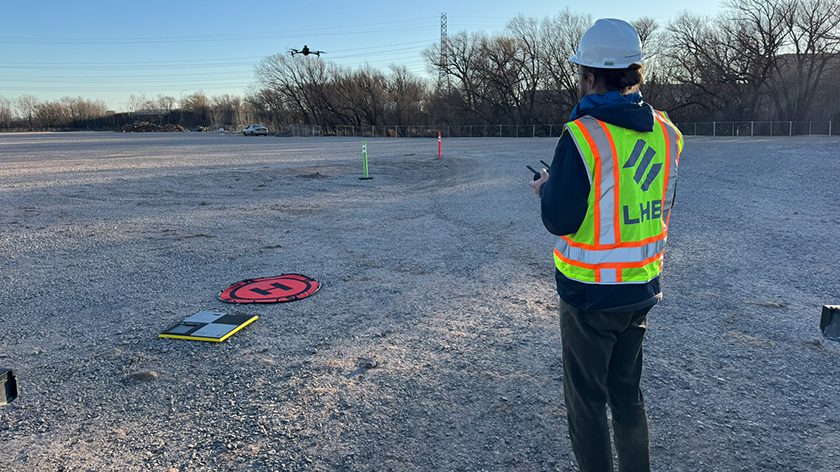
Drones technology allow the LHB team to document conditions in areas that would otherwise require extensive setup, such as scaffolding or shutdowns. High-resolution imagery and video provide a clear record of structural conditions, material wear, and potential failure points.
For example, inspecting the upper sections of a conveyor system or the interior of a large structure can be completed quickly and with minimal disruption to operations. The data collected can then be reviewed in detail, shared with clients, and used to prioritize repairs.
This approach improves safety by reducing the need for personnel to enter hazardous areas. It also increases efficiency, allowing inspections to be completed in a fraction of the time required by traditional methods. ∎
For more information on services that LHB offers for mining companies, contact Mark Madden.